Play and Potty Training
Information on two of Hogarth’s most frequently asked questions: the role of play in our curriculum and guidance on potty training.
Play’s Place in the Hogarth Curriculum
Over the last 25 years or so, what was once a first-grade curriculum has gradually become a kindergarten curriculum, and what was once a kindergarten curriculum is now often considered prekindergarten material. Along the way, free play has been reduced — in some schools almost to the point of extinction.
Not so at Hogarth.
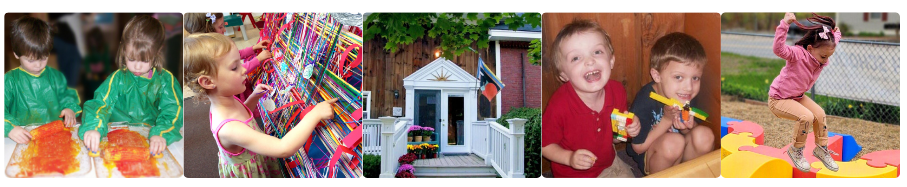
We recognize the importance of balancing developmentally appropriate direct instruction with meaningful free play experiences. Play is not a break from learning; it is one of the primary ways young children develop social understanding, executive function, language, creativity, and problem-solving skills.
If you have a few minutes, I invite you to read through these curriculum-related blog entries, written over the years, to gain a deeper understanding of why we do what we do at Hogarth:
- The Reality of Kindergarten
- One Size Does Not Fit All
- Preschool Social Studies
- Get Out of the Way and Let ‘Em Play!
- Revisited: Hey! This Music Makes Me Want to Dance!
If you would like additional perspectives, you may also find these resources of interest:
-
A TED Talk on play featuring Dr. Stuart Brown, a pioneer in play research, who explains how abundant play in childhood contributes to happier, more resilient, and more capable adults.
- Old-Fashioned Play Builds Serious Skills (NPR), exploring executive function and the critical role of play in its development.
- The New Hampshire Early Learning Standards, a collaborative project of the New Hampshire Department of Health and Human Services and the New Hampshire Department of Education. The Standards serve as a statewide resource to support and enhance young children’s development and learning.
Potty Training Policy
Even though most children enrolled in preschool are using the toilet independently, all preschoolers need help from time to time. They also need a complete change of clothes in their backpacks: shirt, underwear, pants, socks, and slippers in case their shoes become wet. Not only do preschoolers occasionally have potty mishaps, they are also known to spill juice or water down their shirts or in their laps.
Things We Understand About Preschoolers and the Potty
- You are your child’s teacher of all things potty. We understand that you are working on perfecting potty skills at home and that preschool pottiers are sometimes a work in progress.
- We understand that brand-new preschoolers often need help managing this newly acquired skill. Please reassure your child that they will not be abandoned in the bathroom if they need assistance and that they should never hesitate to ask a teacher for help with anything, including toileting.
- We understand that newly trained preschoolers sometimes regress right before school starts or during the first month of preschool. The child who seemed to be trained is suddenly having accidents. Often, a child is nervous about starting school and this is part of the fallout. They are not doing this on purpose, which is why they are called accidents and not intentionals. When accidents happen, children need a change of clothes, along with a loving, low-key response and support and encouragement from the adults at home and at school. For more information, please see the article How to Deal with Potty Training Regression.
- We understand that even the most reliable preschool pottier can become so wrapped up in a moment that they fail to notice the signals their body is sending. We keep an eye out for those squirmy children shifting from foot to foot while trying to finish a puzzle or place one more block on a tower. We’ll remind them to take a potty break and make sure they follow through. If we miss the signals ourselves, we’ll help them into their change of clothes.
Preschool Readiness and Toileting
Hogarth is a preschool program, not a toilet-training program.
Hogarth is licensed as a preschool program and does not have the diaper-changing facilities required for the care of children who are not yet toilet trained. For this reason, children must be developmentally ready to participate in the toileting expectations of the program before enrollment can begin. While we are happy to support newly trained children as they gain confidence and consistency, we cannot provide diapering or serve as the primary setting in which toilet training occurs.
Children enrolling at Hogarth should have been introduced to the toilet and be able to recognize and respond to their body’s signals most of the time.
We understand that newly trained preschoolers are still developing confidence and consistency with this skill. Occasional accidents are a normal part of the learning process and will be handled calmly and supportively by school staff.
However, a child may not be ready for preschool if they:
- Have not yet begun toilet training;
- Do not consistently recognize the need to use the toilet;
- Routinely wet or soil themselves without attempting to use the toilet;
- Require extensive adult assistance for toileting; or
- Are unable to participate successfully in the preschool day because of toileting issues.
If it becomes clear that a child is not yet developmentally ready to manage the toileting expectations of the program, enrollment may be temporarily paused. Once the child has developed the necessary toileting skills, they are welcome to return if space remains available.
Our goal is not to exclude children, but to ensure they are able to participate comfortably, confidently, and successfully in all aspects of the preschool experience.